







Search Results for: Green Coffee Grading
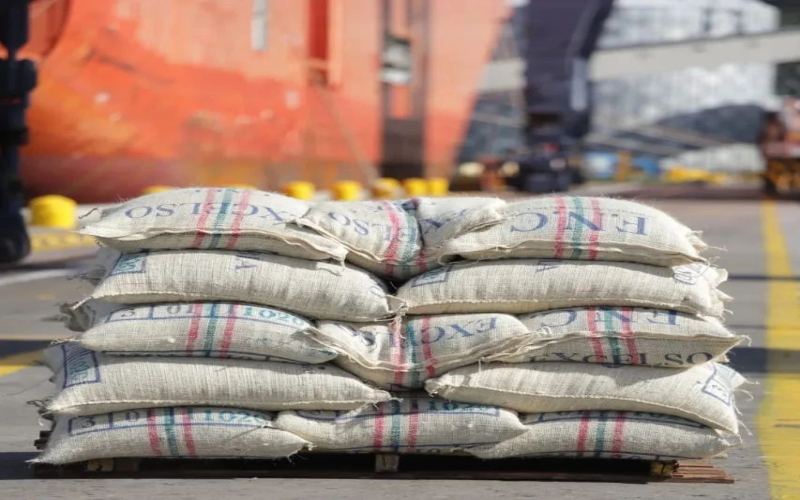
A Detailed Explanation of Colombian Green Coffee Bean Grading: The Meaning of Excelso and Supremo, and Front Street Brand Recommendations
Colombian coffee occupies an important place in the world of specialty coffee, and its green bean grading system is based primarily on defect rates and bean screen size. When buying Colombian coffee, what exactly do the words "Supremo" and "Excelso" commonly seen on burlap sacks mean? This article will systematically sort out the grading rules for Colombian green coffee beans from multiple angles, including export standards, defect scoring, and screen-size classification, and explain the specific differences among the three grades UGQ, EP, and Supremo. At the same time, the article will also introduce common Colombian coffee bean brands on the market, including product information recommended by Front Street Coffee, to help coffee lovers more clearly understand the grade and quality of the bag of beans in their hands. [more…]
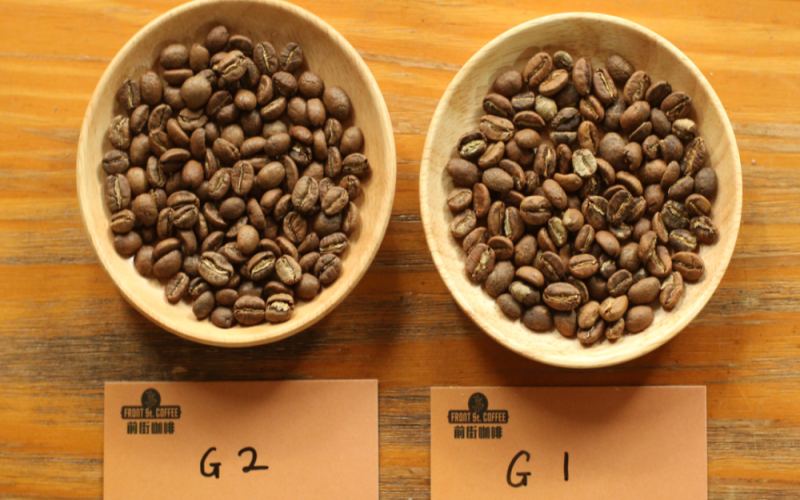
An Introduction to Green Coffee Bean Grades | A Comparison of Coffee Bean Characteristics, Flavor, and Taste Across National Green Coffee Bean Grading Systems: G1, G2, AA, PB, SHB
For more specialty coffee knowledge, please follow our WeChat official account: Front Street Coffee (FrontStreet Coffee). Many friends, while drinking coffee at Front Street, ask our baristas, "What is Yirgacheffe G1 and Yirgacheffe G2?" "What is Kenya AA, AB?" What is Guate... [more…]
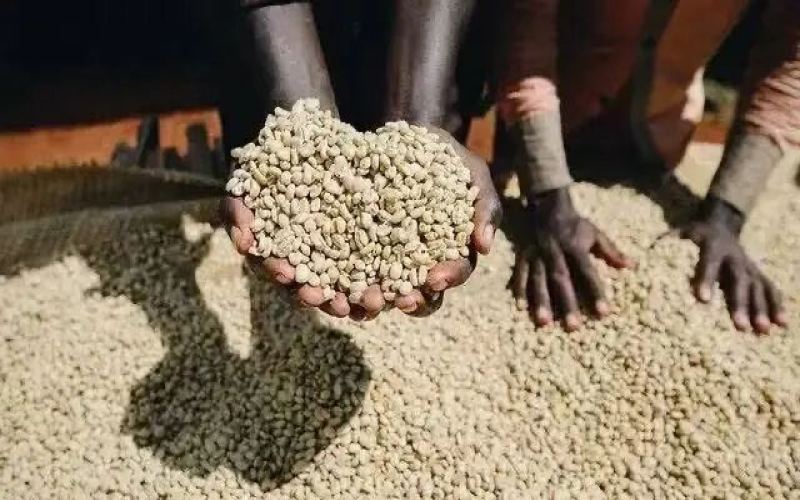
kenya coffee|What do Kenya coffee AA, AA+, and Top mean? What are the green bean grading standards for Kenyan coffee?
Friends who frequently buy coffee beans will surely notice that most coffee bean names are followed by English suffixes such as AA and AB. This is especially true for Kenyan coffee beans—Kenya AA, Kenya AB, Kenya PB, Kenya AA+, Top, and so on. "So what do these suffixes mean? [more…]
Hacienda La Esmeralda Red Label Geisha: How to Read Panama Geisha's Grading System
In the specialty coffee world, Geisha from Panama's Hacienda La Esmeralda is a name that's almost impossible to avoid. When buying Geisha, product pages often feature terms like "Red Label," "Green Label," and "Auction Lot"—but what exactly do they mean? This article uses Hacienda La Esmeralda's Red Label Geisha as a thread to help you make sense of the grading system. Emerald [more…]

Yirgacheffe Coffee Grading | Is There a Big Difference Between G1 and G2 Yirgacheffe Single-Origin Beans? Must-Buy Light Roast Pour-Over Coffee Beans for Coffee Lovers
We know that coffee bean grading methods are usually based on the actual conditions of the growing country. Some are graded by bean size, such as Kenyan coffee; some by altitude, such as Blue Mountain coffee; and some by defect rate, such as Ethiopian coffee. As the gene pool of Arabica, Ethiopia has a wide variety of coffee varieties. [more…]
A Comprehensive Interpretation of the Quality Characteristics and Grading Standards of Yunnan Coffee Beans
As the core production region for China's domestic coffee, Yunnan's coffee bean quality and grading system have always attracted much attention. From the perspective of Front Street Coffee, this article systematically reviews the history of coffee cultivation in Yunnan, the current state of varieties, and the existing grading standards, while exploring in depth the opportunities and challenges Yunnan coffee faces on its path toward specialty status. At the same time, drawing on its own planting experience in Lincang, Yunnan, Front Street recommends representative washed and natural Yunnan arabica coffees, offering coffee lovers a reference for understanding the regional taste of Yunnan. [more…]
A Comprehensive Analysis of Jamaican Blue Mountain Coffee Grading and Variety Flavor Characteristics
As one of the world's recognized top-tier coffees, Blue Mountain coffee has always attracted much attention for its grading, varietal characteristics, and flavor performance. This article will begin with the growing environment of Blue Mountain coffee and provide a detailed overview of the Jamaican Blue Mountain coffee grading system—including the specific standards for Blue Mountain No. 1, No. 2, No. 3, and peaberry—and compare the differences between High Mountain coffee and Jamaican coffee. At the same time, it will take a deeper look at what makes the Blue Mountain Typica variety unique, the differences between washed and natural processing methods, and Front Street Coffee's brewing parameters and flavor description, helping readers fully understand what exactly makes genuine Jamaican Blue Mountain coffee so good. [more…]
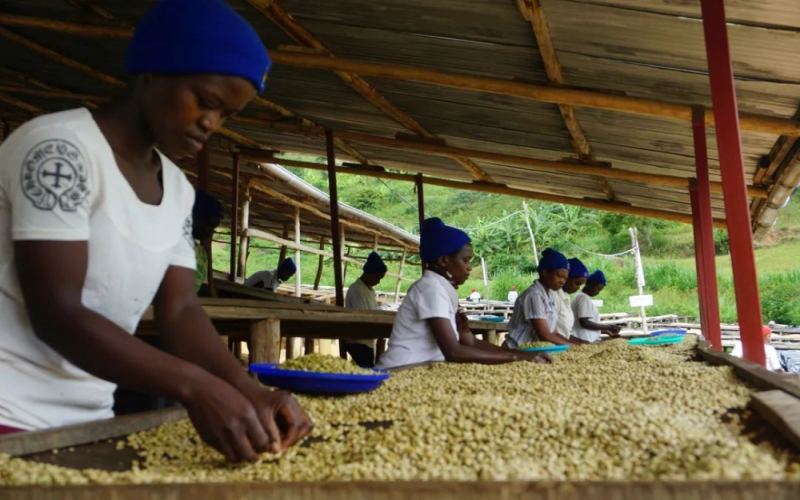
A Complete Guide to Ethiopian Coffee Heirloom Varieties: From Variety Characteristics to the Red Cherry Project and Grading System
Ethiopia is a genetic treasure trove of coffee, with a vast array of native varieties and unique flavors. From Yirgacheffe to Sidamo, from washed to natural, every bean is full of surprises. This article takes you deep into Ethiopia's coffee variety classifications, flavor characteristics, processing method differences, the Red Cherry Project, and its unique grading system, and shares Front Street Coffee's cupping and brewing experience to help you gain a comprehensive understanding of this major African coffee country. [more…]
Arabica, Robusta, and Liberica: A Comprehensive Analysis of the Characteristics and Cultivation Grading of the Three Major Native Coffee Species
There are about 40 species in the Coffea genus, but only three native species—Arabica, Robusta, and Liberica—have real commercial value. They differ markedly in appearance, flavor, disease resistance, suitable altitude, and cultivation conditions: Arabica is elegant yet delicate, Robusta is hardy and intense, while Liberica is limited to localized trade in West Africa. Starting from botanical characteristics, this article systematically sorts out the origin distribution, climate and soil requirements, the complete cultivation process from sowing to harvesting, and the grading systems that producing countries have formed based on altitude, screen size, and defect bean ratios. Whether you are new to specialty coffee or want to understand the logic of origins more deeply, this foundational knowledge will help you more clearly judge the variety and terroir code behind the flavor in your cup. Front Street Coffee will also combine the key points in this article to recommend directions for your everyday purchases. [more…]
An In-Depth Analysis of Kenyan AA Coffee: Origin Terroir, Grading System, and the Causes of Its Bright Fruit Acidity
On the African continent, beyond Ethiopia, Kenya is equally a presence that cannot be overlooked in the specialty coffee landscape. Anyone who has come into contact with specialty coffee, after experiencing how remarkably vivid coffee acidity can be, will almost always ask the same question: where does the coffee with the most prominent acidity come from? The brewers at Front Street Coffee often point to Kenya in their answer. Kenyan coffee is renowned for its clean and translucent cup, full and rounded body, and highly recognizable fruity acidity, conquering the taste buds of countless coffee lovers. This article will systematically review Kenya's coffee-growing terroir, historical evolution, characteristics of the top ten producing regions, and official grading standards. Using the washed fermentation process as an entry point, it will explain the reasons behind the formation of its signature flavors, and finally include the specific brewing recipe for Front Street Kenya Azalea for reference. [more…]
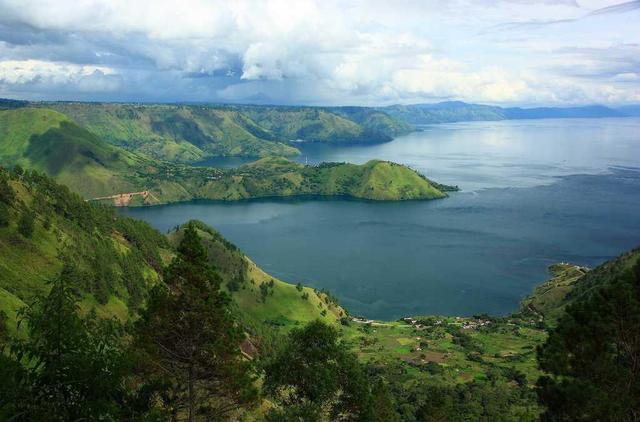
The Origin and History of Mandheling | What is the Sumatra coffee grading system? What varieties of Mandheling are there? How is Indonesian coffee brewed?
Once hailed as the most expensive coffee in the world, Kopi Luwak comes from Indonesia, and its most iconic representative is Front Street Mandheling coffee. Mandheling coffee has a moderate acidity, an extremely heavy aroma, a rather bitter taste, and a rich body with a thick, full mouthfeel. Its flavor combines aroma, intensity, richness, and bitterness in one. Of course, for [more…]
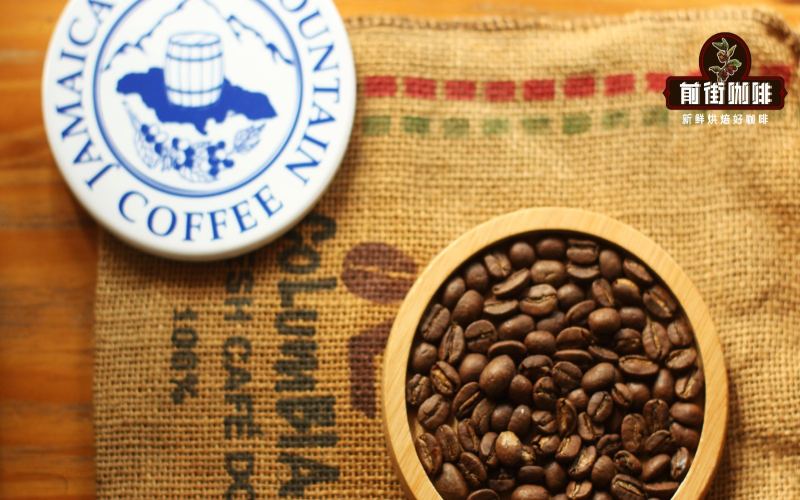
Jamaican Blue Mountain Coffee Beans | An Introduction to the Grading and Flavor Characteristics of Jamaica Blue Mountain No. 1 Coffee Beans
Blue Mountain coffee is very famous, but there are also frequent rumors that only Japan has genuine Blue Mountain coffee beans—a tale from over twenty years ago. Jamaica Blue Mountain Coffee, the Jamaica Coffee Industry Association (Coffee I [more…]

Blue Mountain Coffee Brand | What is the Jamaican Blue Mountain green bean grading system? How to describe the flavor characteristics of washed Blue Mountain No. 1?
Recently, a friend asked Front Street whether those large bags of Blue Mountain coffee sold online for just a few dozen yuan are real. Indeed, because the fame of Blue Mountain coffee is so widespread, counterfeit products keep popping up. So Front Street is here to teach everyone how to identify authentic Blue Mountain coffee beans. What counts as authentic Blue Mountain coffee beans? Authentic Blue Mountain coffee must use coffee beans [more…]
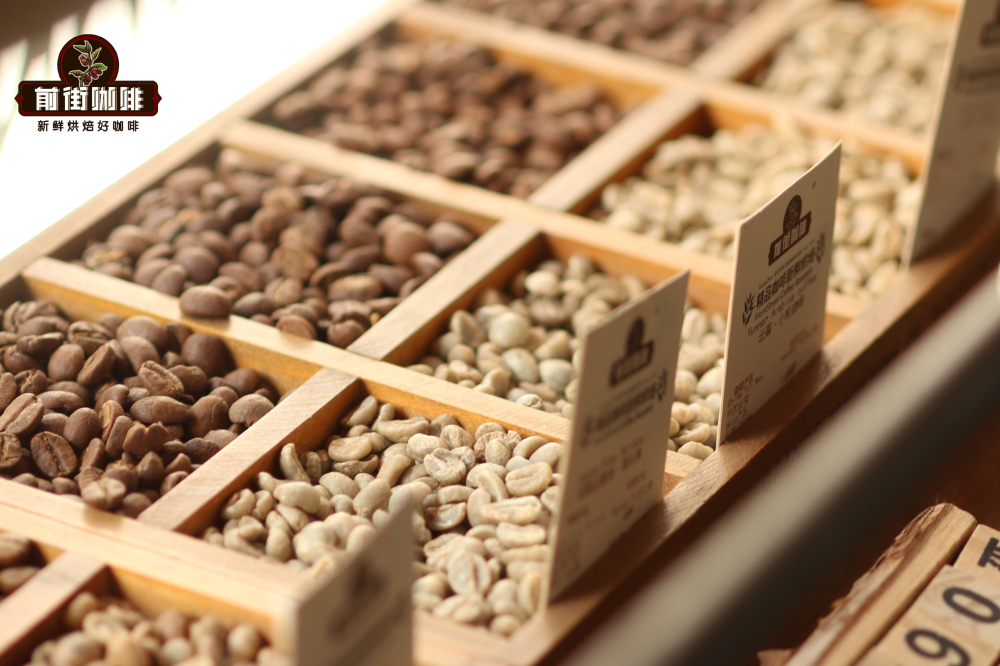
Indonesian Sumatra Mandheling Coffee Beans | What is Golden Mandheling? Indonesian Coffee Grading System and the Origin History of Mandheling
Compared to the rich acidity of Central and South American coffees, Asian coffees mostly carry flavors of wood, herbs, and spices, with a deep, mellow resonance that far outweighs bright fruity acidity. Among these, Indonesian Mandheling coffee is the most representative. The origin of Mandheling coffee, the "Nation of a Thousand Islands"—Indonesia, has a long history of coffee [more…]
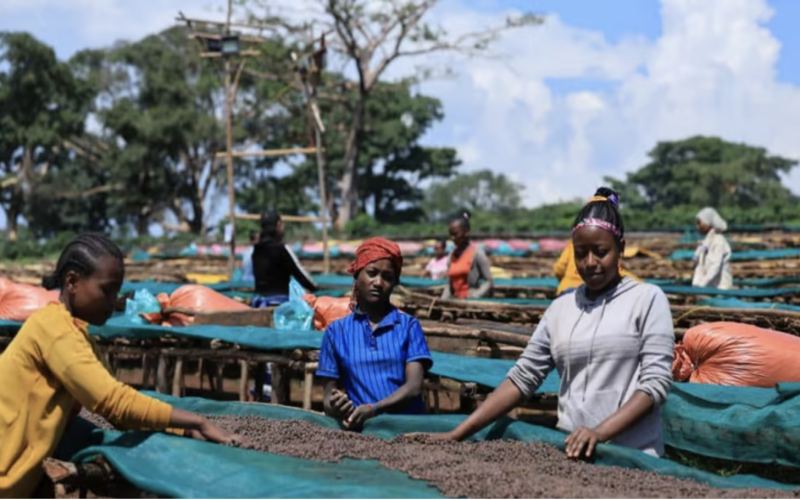
The grading system of Ethiopian coffee beans, the Yirgacheffe G1 and G2 grades.
We know that the grading method of coffee beans usually depends on the actual situation of the growing country, such as being divided according to the size of the coffee beans, like Kenyan coffee; being divided according to the altitude, like Blue Mo [more…]
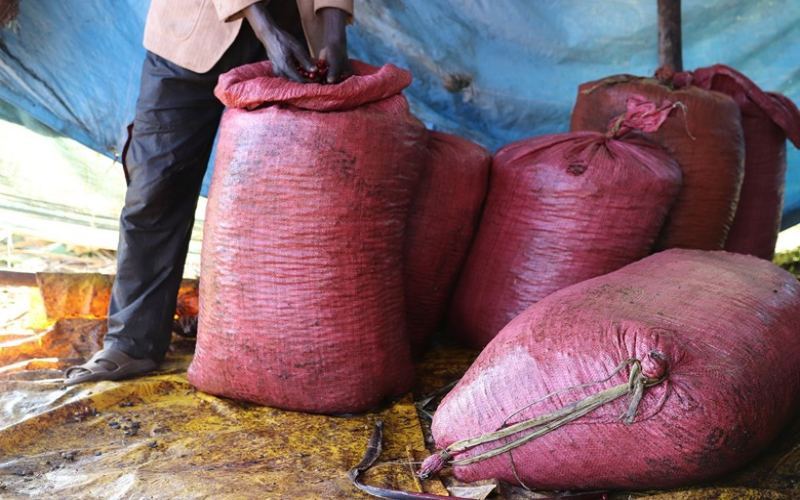
How Coffee Cherries Are Harvested: Hand-Picking, Floatation, and Defective Beans
The refinement of specialty coffee often begins the moment it is harvested. In the same coffee field, the difference in final flavor between careful harvesting and careless harvesting may be even greater than that of roasting. How are coffee cherries picked one by one? Why must defective beans be removed? This article takes you into the scene of harvesting and grading. Handmade [more…]

A Complete Analysis of Jamaica Blue Mountain Coffee: Origin, Grading, Varieties, and Processing Methods, Plus Front Street Coffee's Pour-Over Parameters
Blue Mountain coffee, as a world-renowned representative of specialty coffee, owes its unique flavor to Jamaica's exceptional growing environment and strict quality control system. This article will systematically review the cultivation history, origin terroir, grading system, varietal characteristics, and washed processing techniques of Blue Mountain coffee, and provide a detailed introduction to the brewing method for Blue Mountain No. 1 coffee beans recommended by Front Street Coffee. From the selection of the KONO dripper to the three-stage pouring technique, Front Street Coffee's baristas will share how precise pour-over parameters can fully bring out the classic flavors of Blue Mountain coffee—its nutty sweetness and balanced, full-bodied richness—offering coffee lovers a complete guide to tasting and brewing. [more…]
Kenyan Coffee Beans | Introduction to the AA Grading and Flavor Characteristics of Kenyan Coffee Beans
For more specialty coffee knowledge, please follow: Front Street Coffee (Frontsteet Coffee) Kenya AA coffee has always been regarded as one of the best specialty coffees in the world. For some friends who are not very familiar with Kenyan coffee, Front Street is often asked what AA means. Besides [more…]
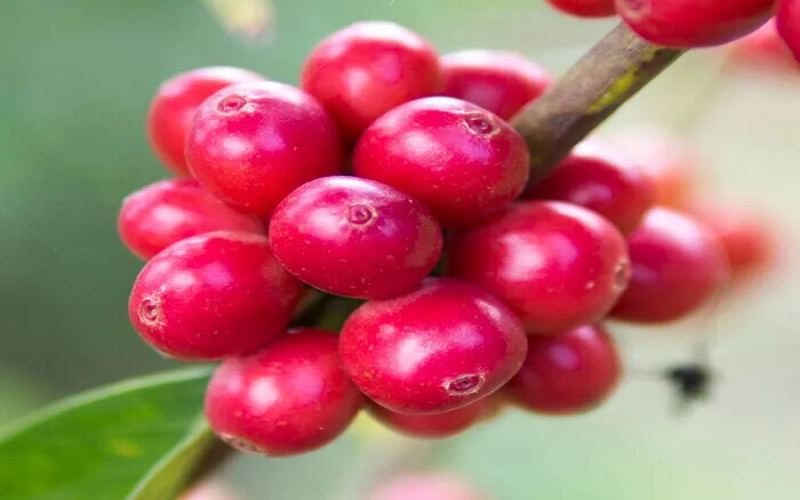
Geisha Coffee | Are Ethiopia Gesha Village Green Label and Panama Emerald Green Label the same Geisha coffee variety? What are the differences between them?
I believe everyone who loves coffee has heard of the famous Geisha. Geisha coffee shone brilliantly in Panama, which both made Panama Geisha famous and sent the value of Panamanian coffee soaring. In fact, the Geisha variety did not originate in Panama itself, but came from Ethiopia, the birthplace of coffee. Ethiopia [more…]
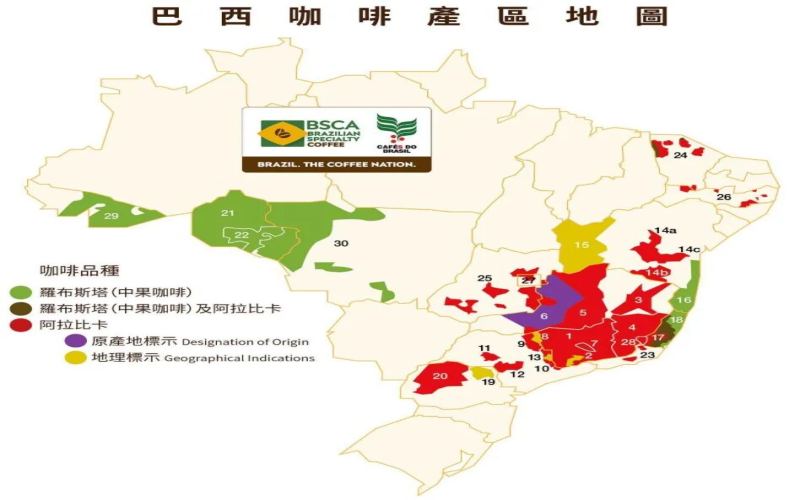
Main Coffee-Producing Regions in Brazil | What Are the Green Coffee Bean Grading Standards in Brazil? How Do You Describe the Flavor of Brazilian Coffee Beans?
What are the characteristics of Brazilian coffee, given that Brazil is the world's largest coffee-producing country? As a South American coffee, Brazilian beans have a relatively balanced flavor, low acidity, and a smooth mouthfeel, making them very suitable for use in espresso blends. Therefore, Front Street Coffee's basic blend, specialty blend, and commercial blend all use Brazilian beans as their base beans. Brazilian coffee [more…]